Commission Hosts Side Event Screening Rhythms of the Land at the United Nations Permanent Forum on Indigenous Issues (UNPFII)
April 2026 – New York, NY
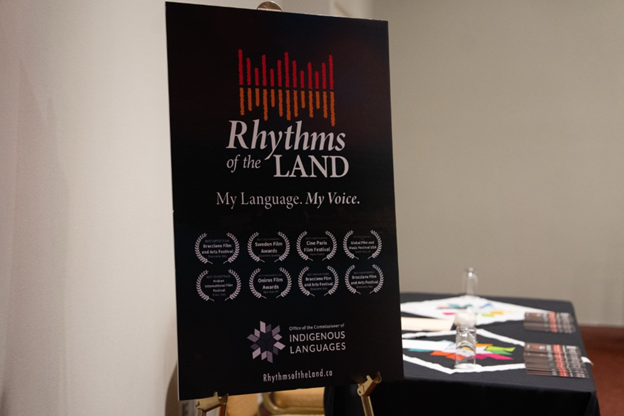
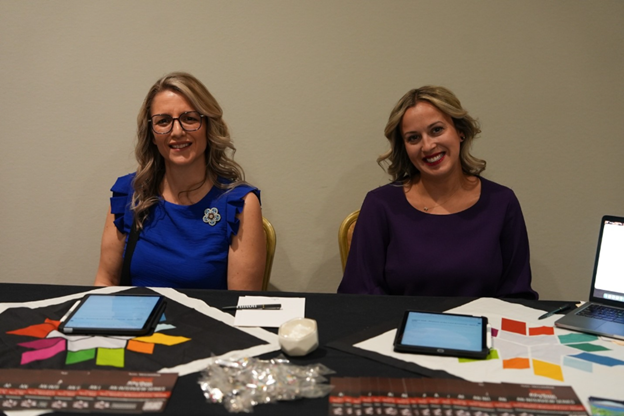
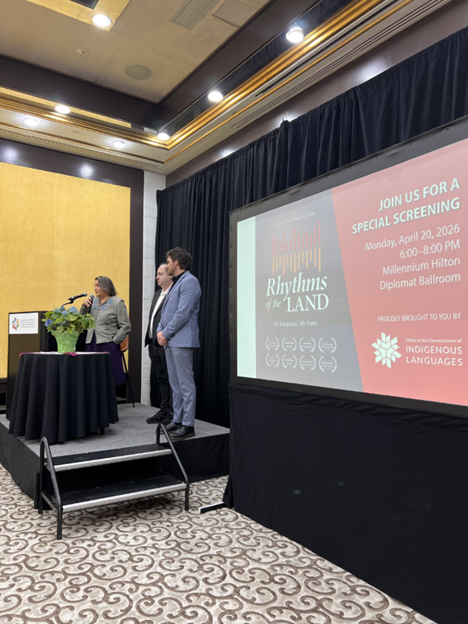
The Office of the Commissioner of Indigenous Languages was honoured to co-host a special side event at the United Nations Permanent Forum on Indigenous Issues, in collaboration with Canadian Heritage, featuring a screening of our award-winning documentary Rhythms of the Land.
The Permanent Forum, held each year at the United Nations headquarters in New York, is the world’s largest gathering of Indigenous Peoples, state representatives, and international organizations.
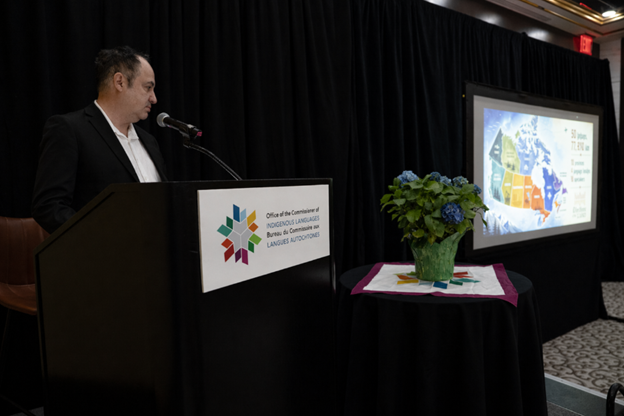
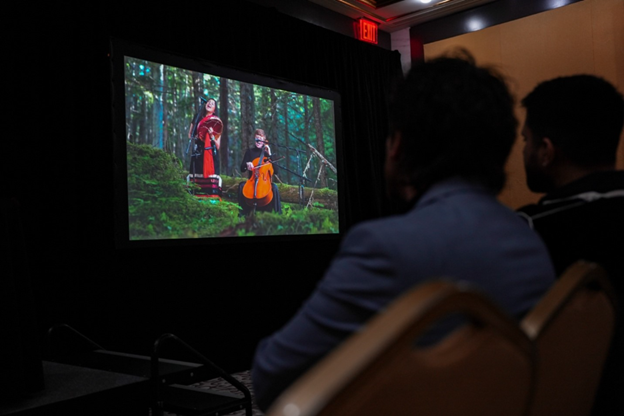
Rhythms of the Land features 17 Indigenous artists from across Canada performing in their mother tongues. Filmed in places of deep cultural and personal significance on the lands they call home, the documentary highlights 8 Indigenous languages representing 4 distinct language families.
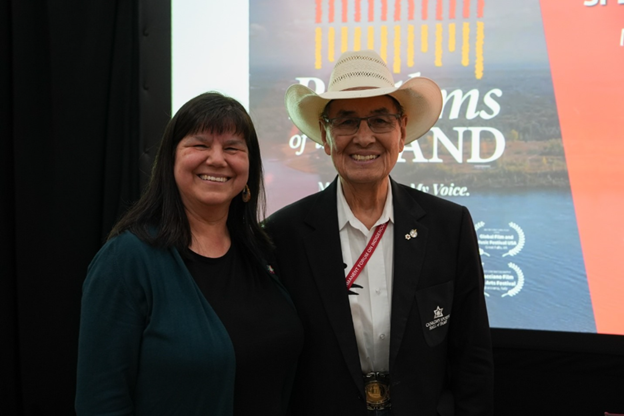
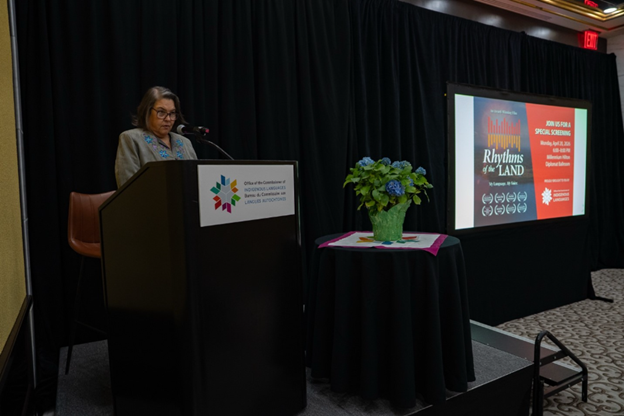
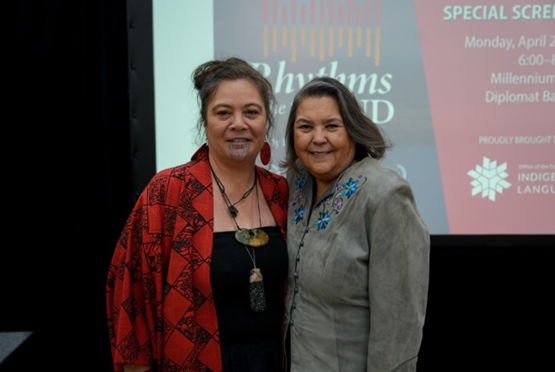
This one-hour documentary project was led by Georgina Liberty, Director of the Office of the Commissioner of Indigenous Languages, and produced by Jarrod Tully, CEO of Storm the Castle Media. The documentary has received international recognition, earning eight awards for its cinematography, sound, and storytelling.
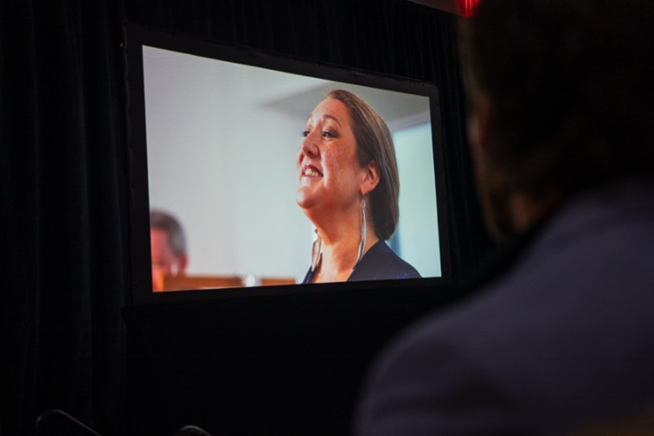
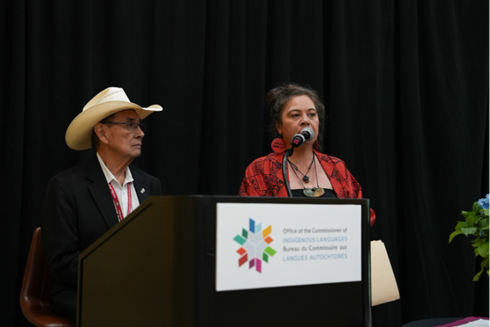
In her remarks, Director Liberty shared the vision behind the project, emphasizing its role in both educating Canadians and inspiring Indigenous language learners, especially youth. As she reflected, “We wanted to create this documentary to showcase cultural vitality of Métis, Inuit and First Nations. When we developed this film, we asked each performer where they wanted to film. Their choices reflect the deep connections between our languages, our cultures, and our lands. These connections make us healthy and strengthen our souls.”
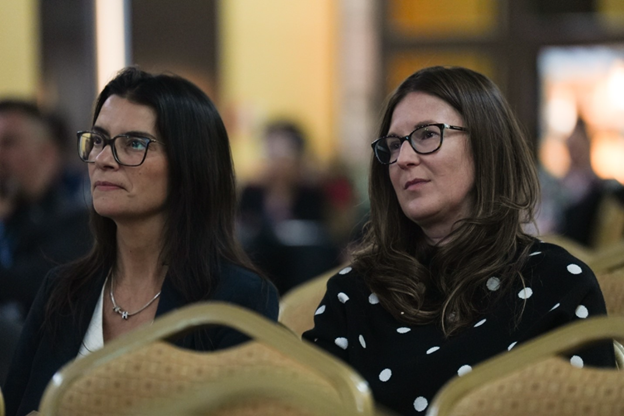
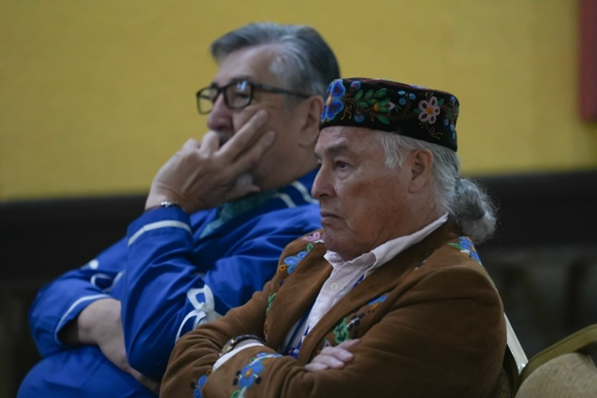
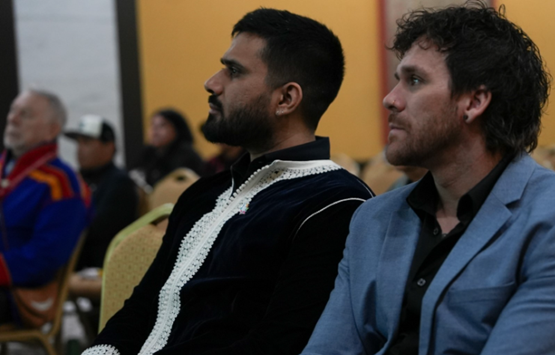
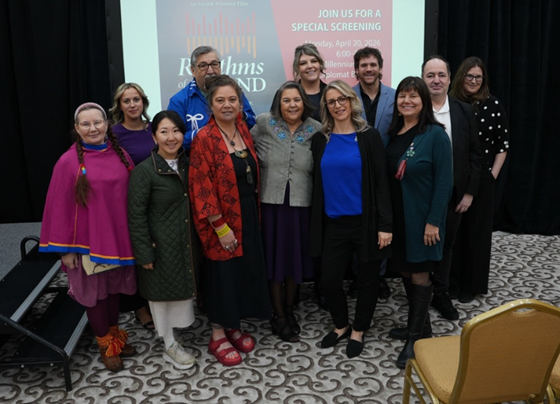
The side event brought together First Nations, Métis, and Inuit leaders, youth, partners, international delegates, and language advocates to experience the strength and beauty of Indigenous languages. Among those in attendance were three members of the Permanent Forum, including its two focal points for Indigenous languages. As the International Decade of Indigenous Languages (2022–2032) continues, the event provided space to reflect on the role of cultural expression in language revitalization and highlighted the importance of creating platforms where Indigenous languages can be seen, heard, and felt.
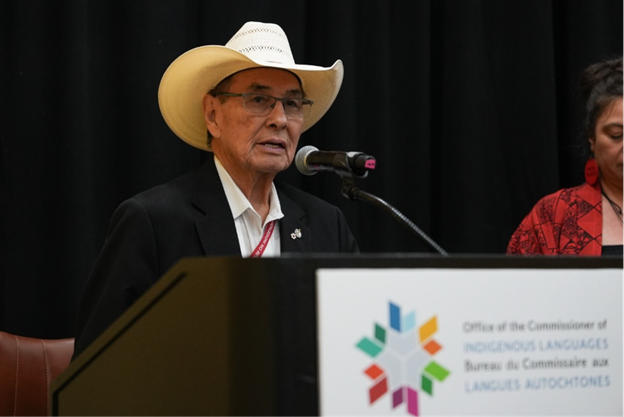
We were honoured to have International Chief Wilton Littlechild open the special side event with a prayer and reflections, and for Emma Rawson-Te Patu, Member of the Permanent Forum on Indigenous Issues and Focal Point for Indigenous Languages, to guide the discussion as moderator.
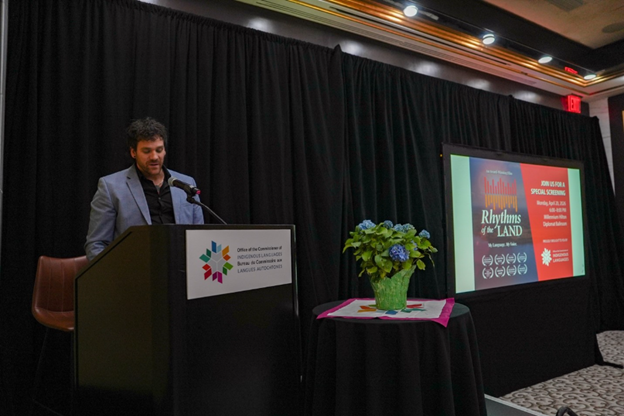
Jarrod Tully and Mike Burnard of Storm the Castle Media spoke about their experience bringing the artists’ visions to life during production. Following the screening, participants engaged in a thoughtful discussion with the filmmakers, reflecting on the film’s impact and the broader role of storytelling, music, and land-based connections in sustaining and revitalizing Indigenous languages.
The documentary is part of the Commission’s broader work to bring the Indigenous Languages Act to life, supporting Indigenous Peoples in reclaiming, revitalizing, maintaining, and strengthening their languages. More than a film, Rhythms of the Land stands as a living expression of the United Nations Declaration on the Rights of Indigenous Peoples, the Truth and Reconciliation Commission’s Calls to Action, and the UN International Decade of Indigenous Languages.
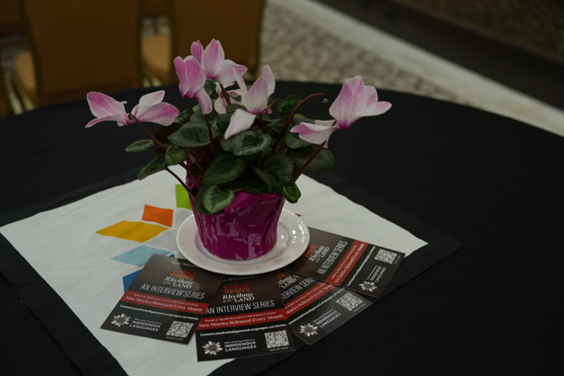
In addition to the documentary, each month the Commission releases a new conversation with one of the featured artists. Rhythms of the Land: An Interview Series. This series offers intimate reflections on the featured artists’ music, their deep ties to land and language, and their commitment to protecting and celebrating their cultures. The series is available on the Commission’s website.
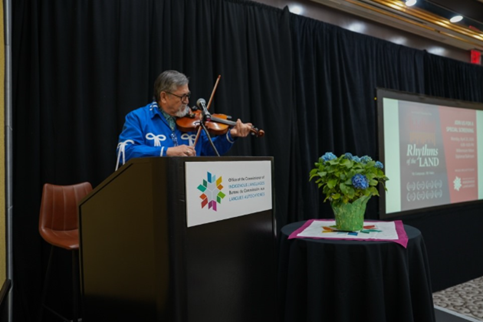
The evening closed in a meaningful way, with the sound of a fiddle, as Métis Elder Oliver Boulette shared a closing prayer song.
Through this side event and its participation at the United Nations Permanent Forum on Indigenous Issues, the Commission continues its role as a convener and bridge builder, championing Indigenous-led initiatives and strengthening relationships to advance Indigenous languages globally.