November 2025
The Office of the Commissioner of Indigenous Languages (the Commission) and the American Council on the Teaching of Foreign Languages (ACTFL) have formalized a strategic partnership to strengthen Indigenous language revitalization efforts.
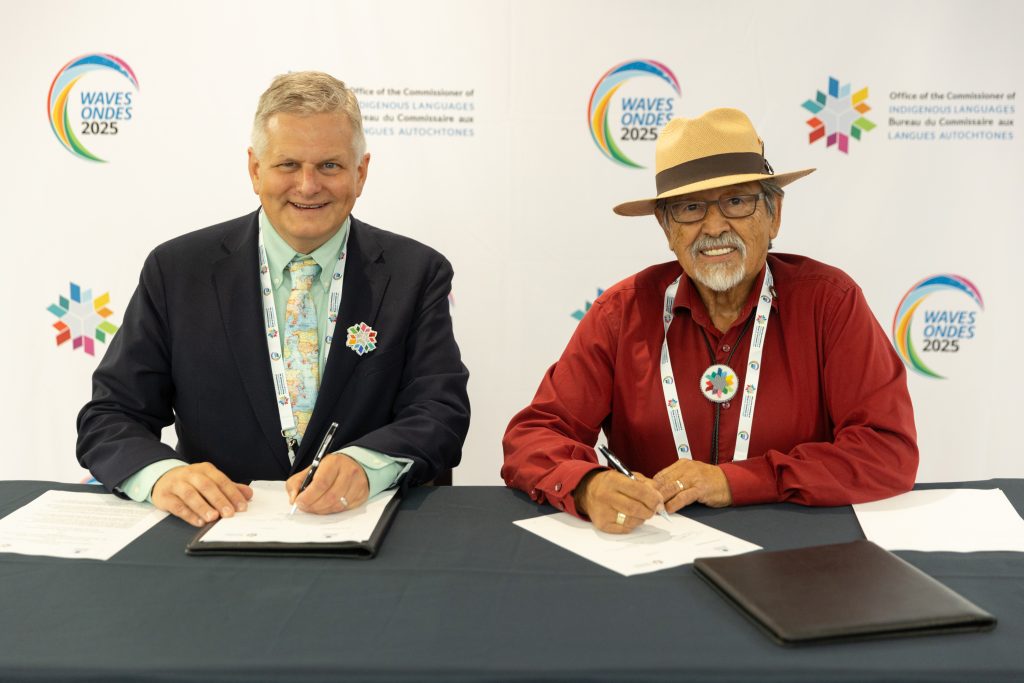
The Memorandum of Understanding (MOU) formalized August 2025, reflects a shared commitment to Indigenous‑led language revitalization, grounded in reciprocal learning and international collaboration. Through this agreement, ACTFL brings its global leadership and expertise in immersion, proficiency, and teacher development to help shape and advance the Fluency and Immersion Teacher Education Initiative, alongside the Commission and Indigenous language champions across the country. It also creates space for ongoing knowledge exchange through forums, events, exploratory research, and shared tools that can inform and support the Fluency and Immersion Teacher Education Initiative, among others
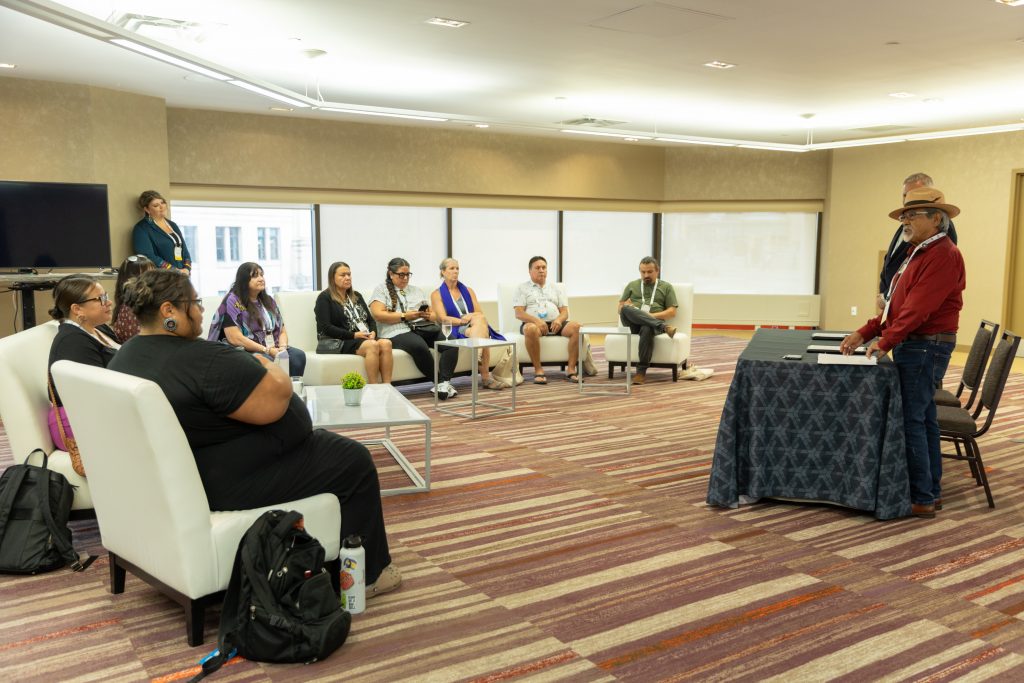
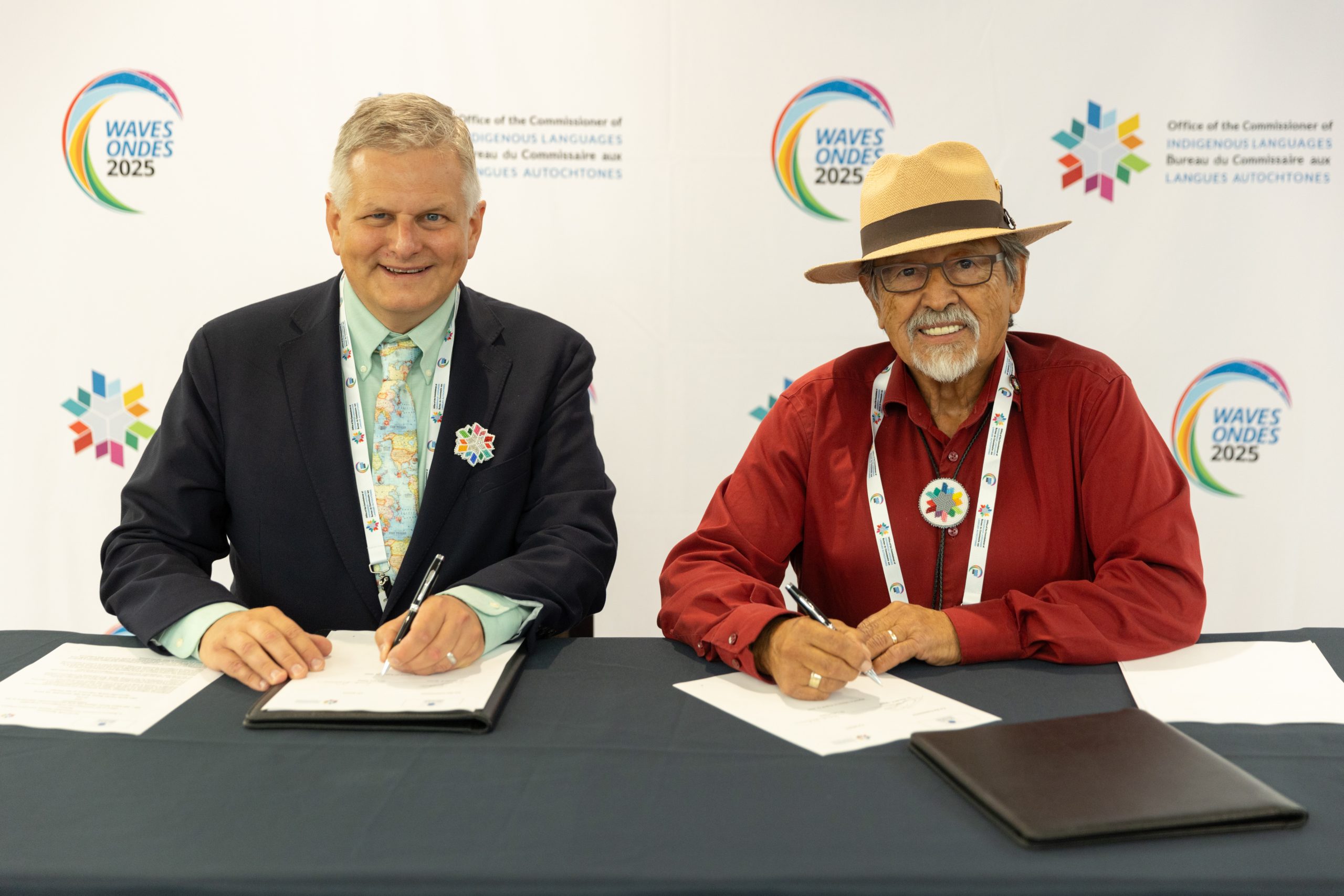
The partnership was publicly celebrated at WAVES 2025, a global summit on Indigenous language revitalization held on the unceded Algonquin territory of the Anishinaabe (Ottawa). This moment affirmed the Commission’s continued role as a national convener and bridge‑builder, demonstrating how the Indigenous Languages Act can be operationalized in practice through strategic international collaboration and systems‑level work.
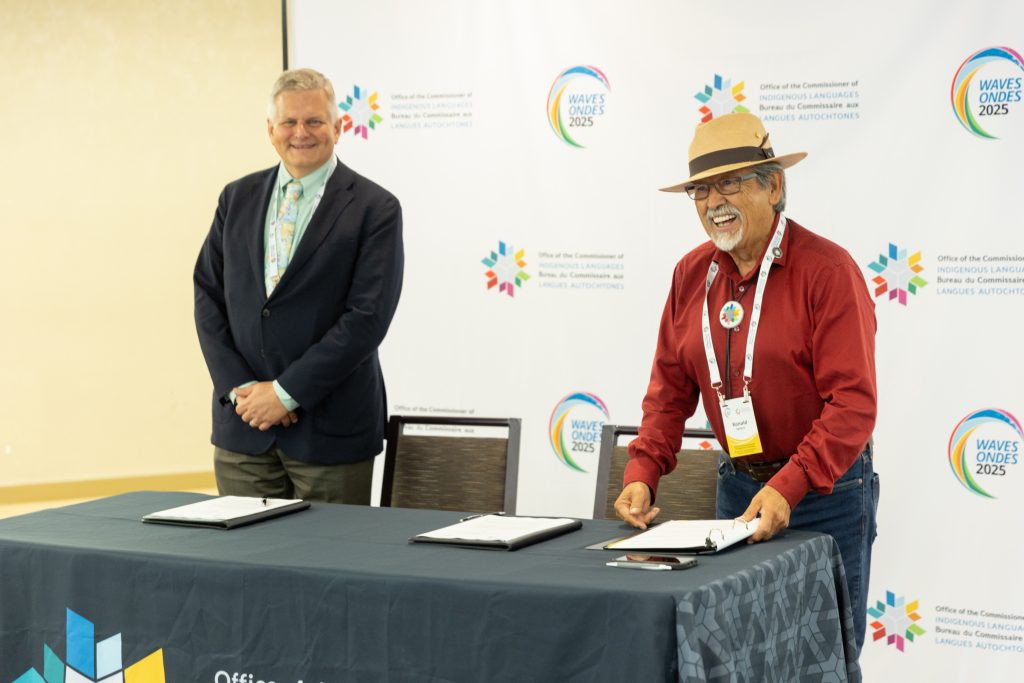
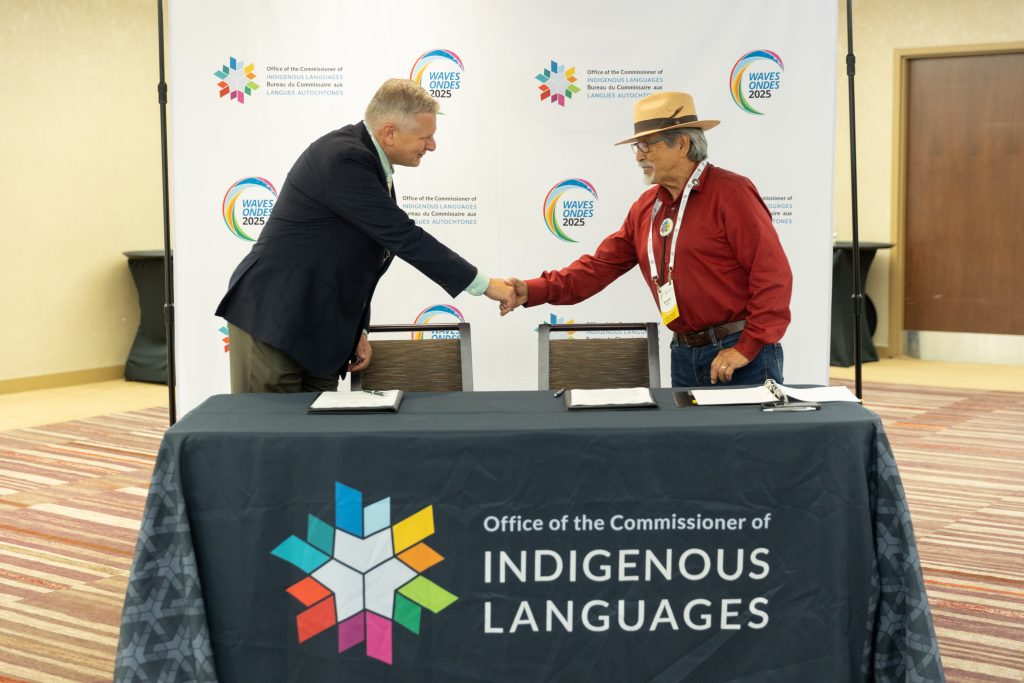
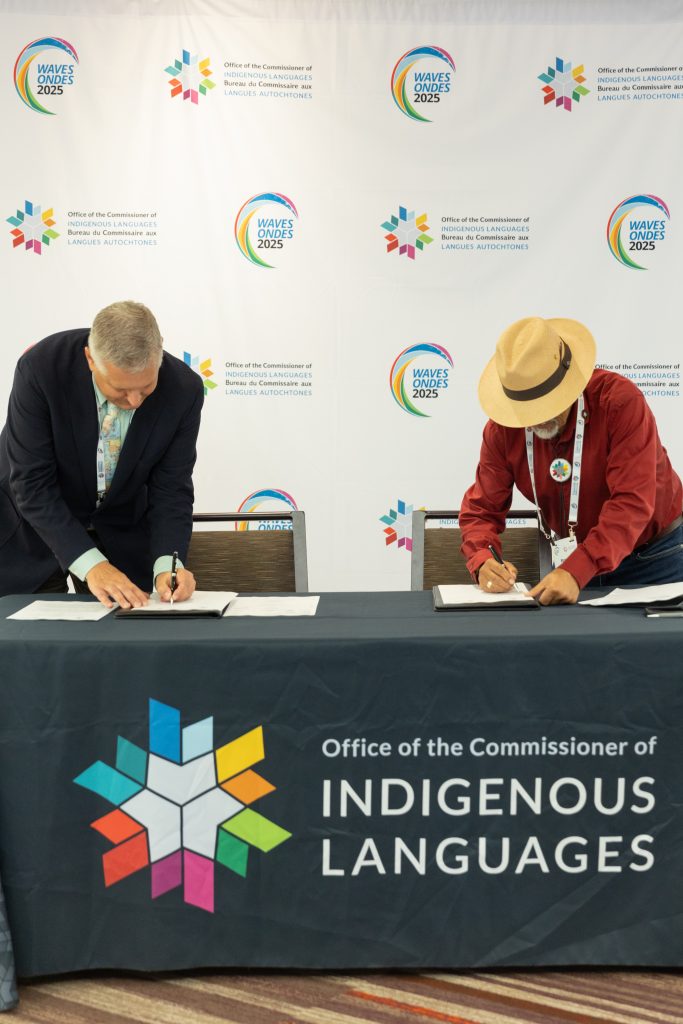
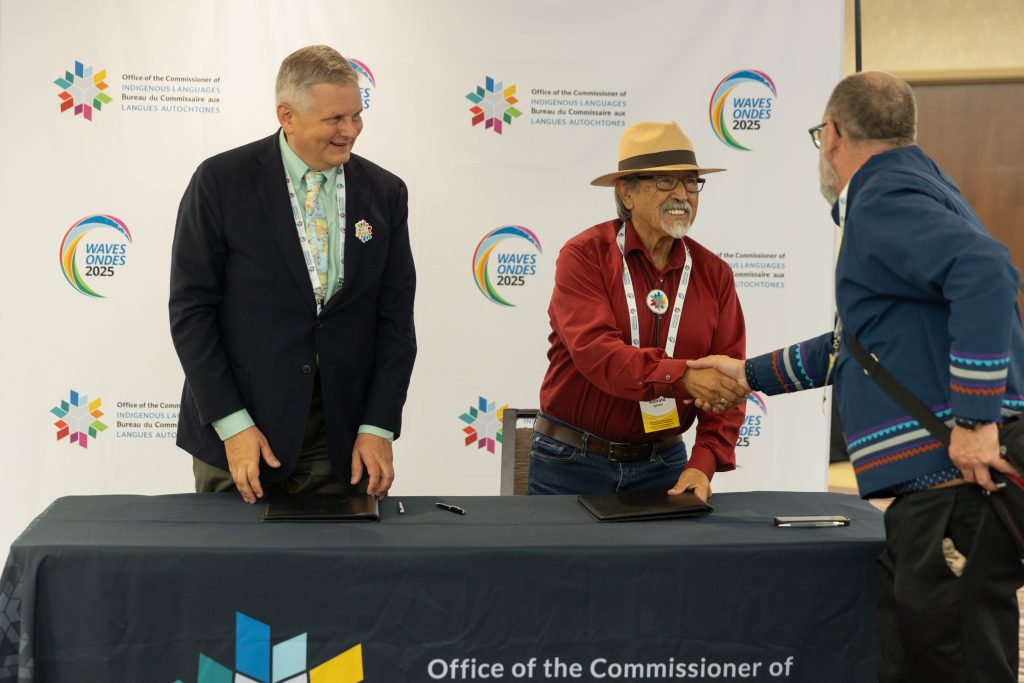
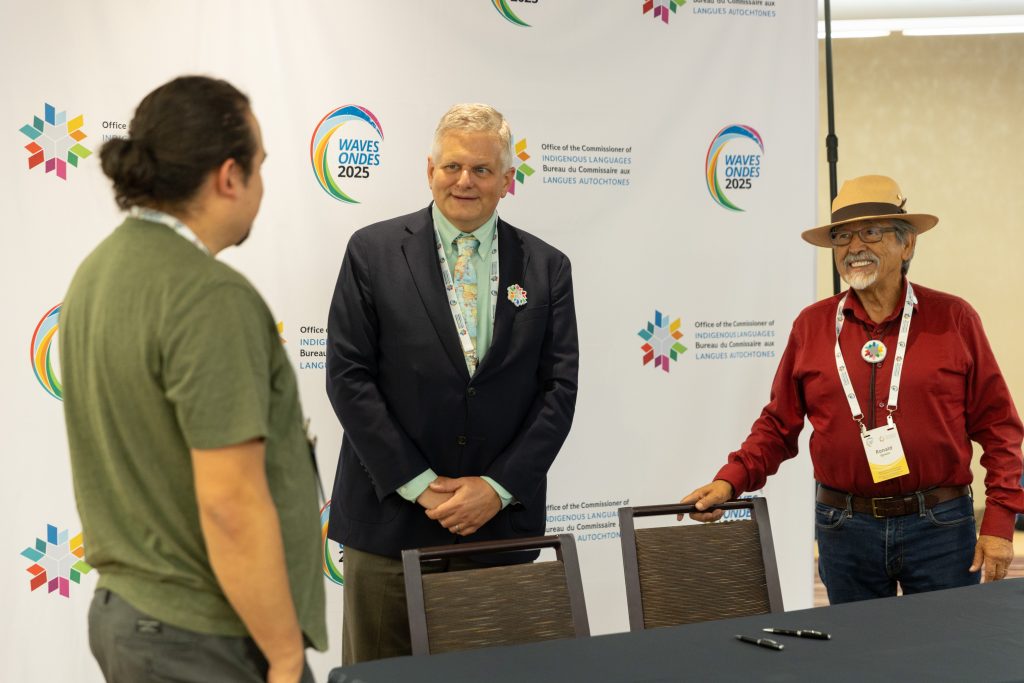
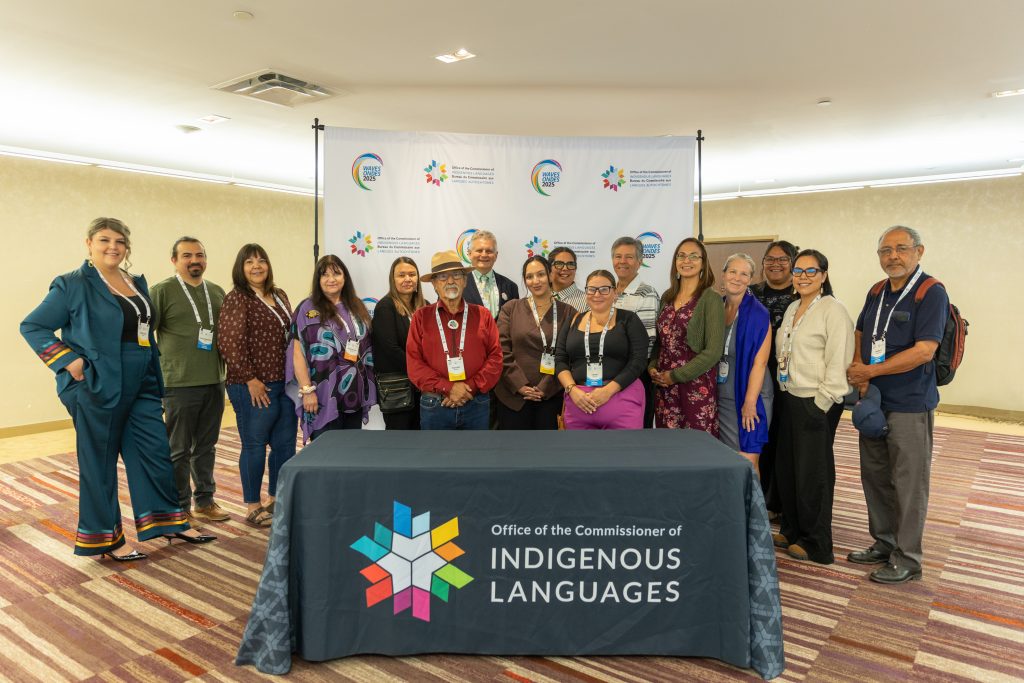
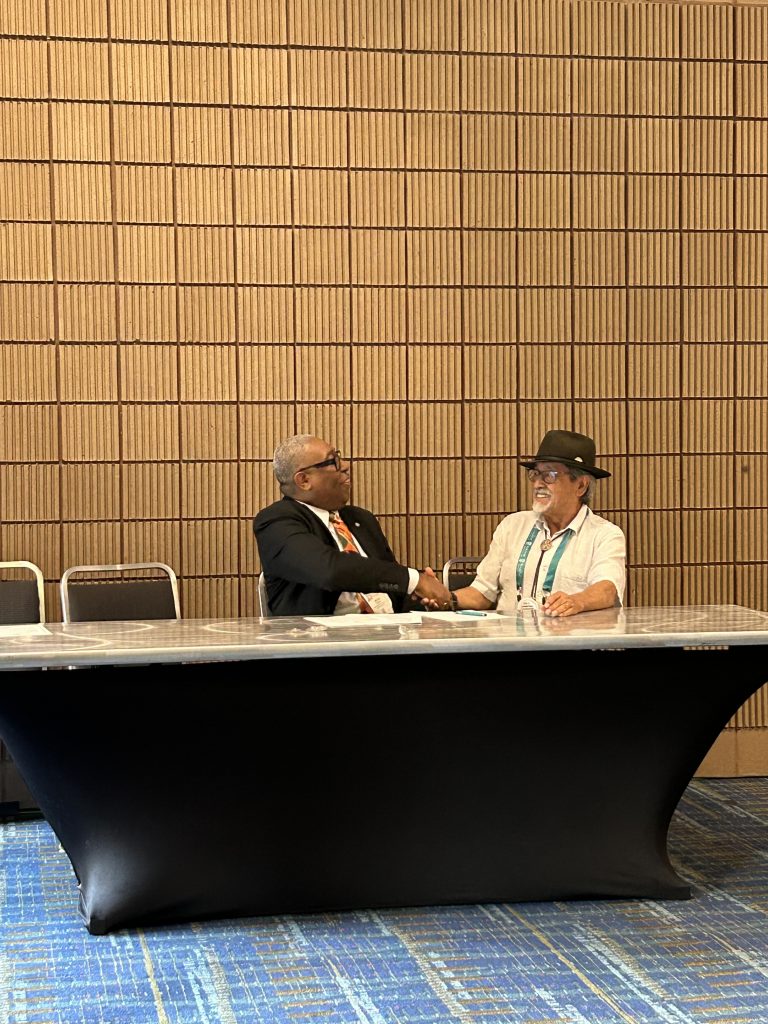
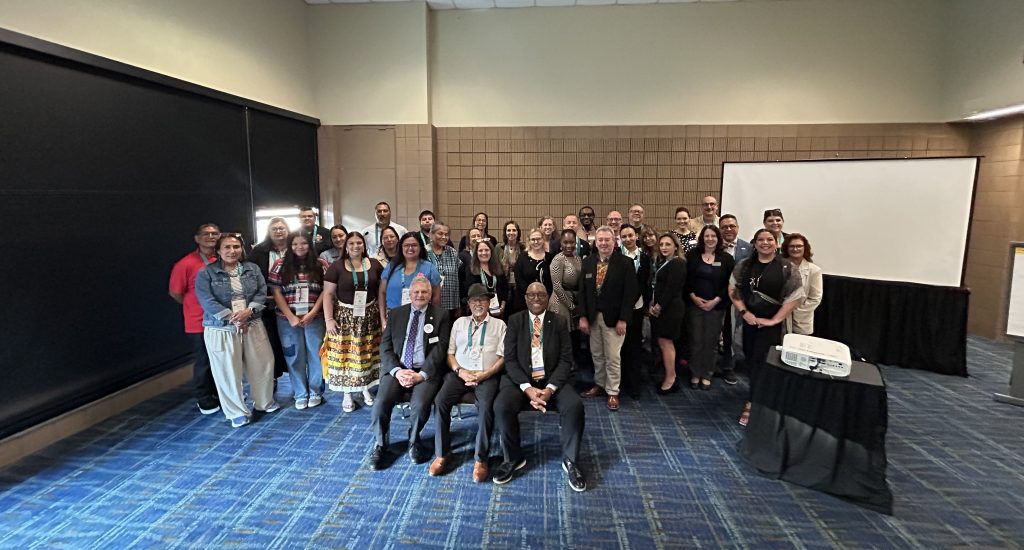
The partnership was further solidified at the ACTFL 2025 Convention in New Orleans, where both organizations convened for the formal, in‑person signing of the MOU. This milestone marked an important step in deepening bilateral collaboration between the Commission and ACTFL, extending Indigenous language fluency and immersion initiatives beyond Canada and into international language education networks.
Looking Ahead
As the Fluency and Immersion Teacher Education Initiative moves from design to implementation, the partnership will remain a key mechanism for bringing global expertise into conversation with Indigenous‑led priorities. Together, the partners will continue to explore joint forums, research collaboration, and professional learning opportunities to ensure that systems change is practical, sustainable, and grounded in community needs.