April 2026 | Aotearoa New Zealand and Hawaiʻi
Indigenous languages are entering a defining moment.
Across the world, Indigenous Peoples are creating new speakers, rebuilding language systems and developing new ways to carry their languages forward. At the same time, technology and artificial intelligence are rapidly changing how languages are recorded, learned and used.
What does it take for an Indigenous language to thrive in a rapidly changing world?
In Aotearoa New Zealand and Hawaiʻi, the answer begins with strong grassroots language movements. Families, speakers, educators and communities have spent generations creating new speakers and building the schools, resources and institutions that allow their languages to flourish through intergenerational transmission. Today, that foundation is opening another opportunity: the important role of Indigenous languages, traditional ecological knowledges and cultural intelligence in science, technology and artificial intelligence.
This question is increasingly important to the Office of the Commissioner of Indigenous Languages (the Commission). Through language gatherings hosted from coast to coast to coast beginning in 2023, the Commission has heard that Indigenous Peoples want technology to support language revitalization according to their priorities and defined by their own communities. The Commission’s AI feasibility work has also explored the opportunities emerging through artificial intelligence alongside fundamental principles of Indigenous data sovereignty, ownership and control.
There is urgency in this work. AI is developing quickly, and the decisions being made today will influence which languages and knowledge systems are represented in tomorrow’s technologies and tools. Indigenous leadership in this space creates an opportunity to shape that future and ensure Indigenous languages are active within the digital world in a way that is designed by them for them.
Indigenous Languages and AI
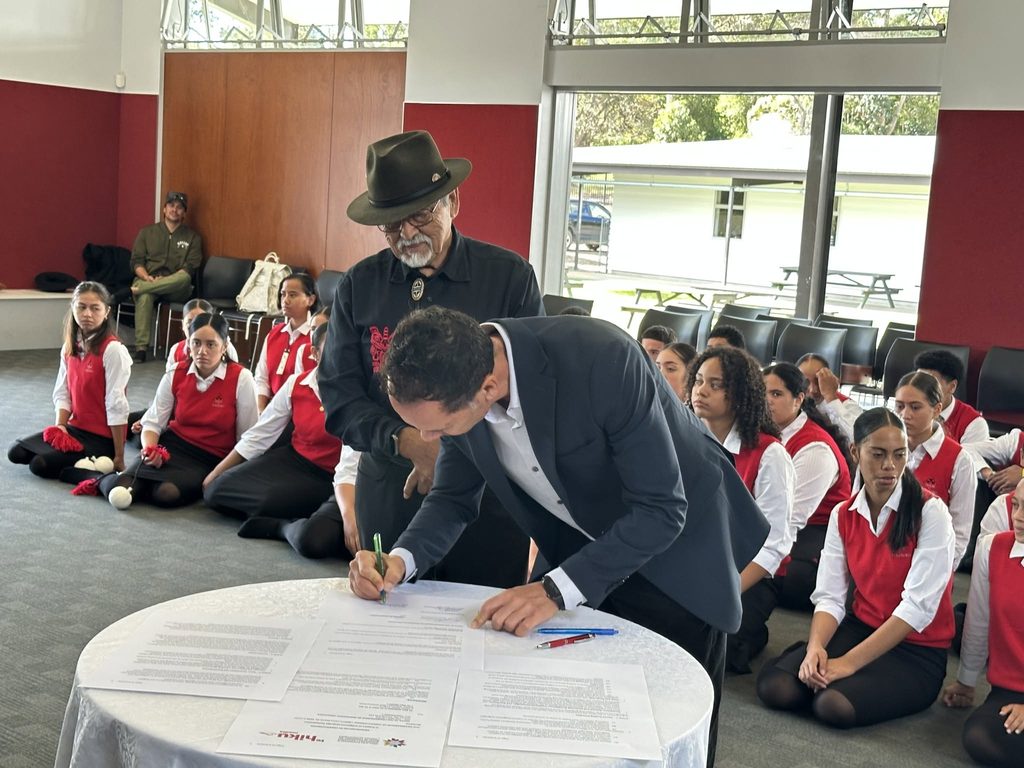
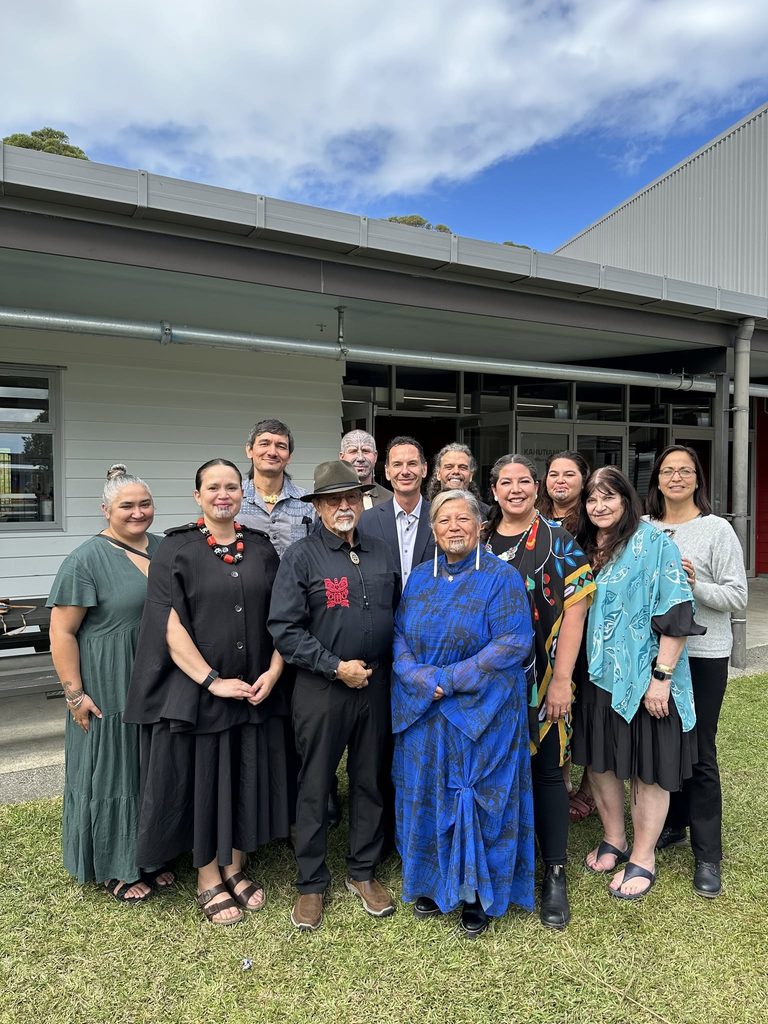
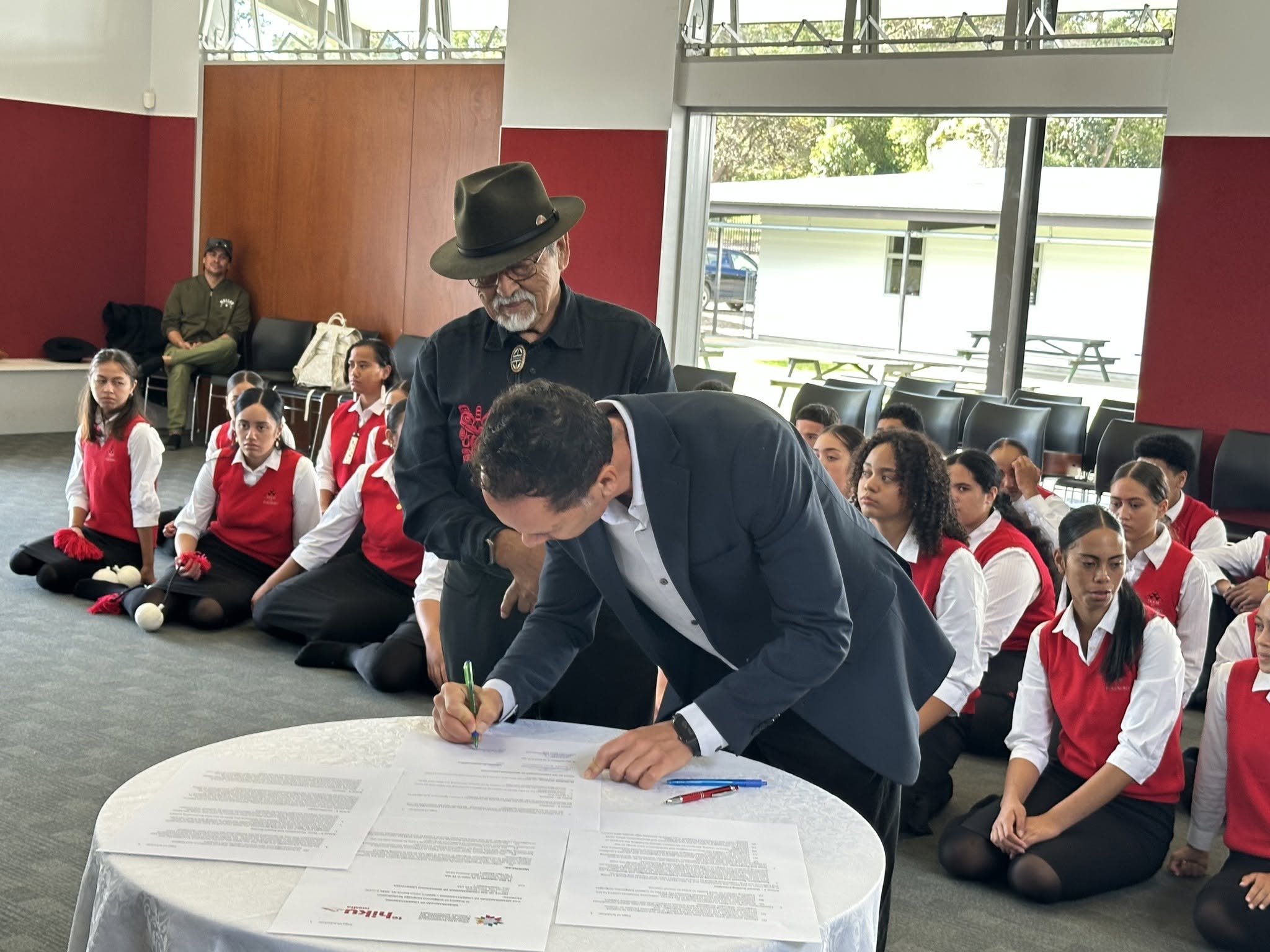
In Te Tai Tokerau, the Commission advanced its partnership with Te Hiku Media, an internationally recognized Māori leader in Indigenous language technology and data sovereignty.
Te Hiku has developed Māori speech and language technologies grounded in community authority over the language data that makes those technologies possible. Working sessions explored ethical AI, speech recognition, natural language processing, data stewardship and ways technology can advance community language priorities.
The engagement culminated in a Memorandum of Understanding between Te Hiku Media and the Commission, creating a framework for continued knowledge exchange, research and collaboration. Discussions have continued around speech-to-text, Indigenous Voice AI, community-controlled data governance and opportunities to connect Indigenous communities in Canada with Indigenous-led technical expertise.
The principle is fundamental: AI cannot replace the people, relationships, and knowledge systems that sustain language revitalization. It can, however, be used as a tool to support and enhance the work already underway in communities. Guided by Elders, speakers, teachers and language learners, technology can expand access to resources, support learning, strengthen documentation and create new spaces for Indigenous languages to be spoken, heard and used.
Hawaiian language leaders are also demonstrating how technology can serve communities rather than extract from them. Inspired by innovations emerging from Māori language revitalization, AI is used to support translation, examine pronunciation patterns and accelerate the digitization efforts.
Work that once required extensive manual effort can now be completed more efficiently, freeing fluent speakers, teachers and Elders to focus on other urgent priorities. It is a powerful example of what becomes possible when Indigenous Peoples design, govern and apply technology through self-determination.
Hilo: When Language Shapes Science
In Hilo, the Commission experienced another expression of this reality.
The Hawaiian language movement grew from grassroots efforts led by families, educators and language advocates and has developed into an extraordinary language ecosystem encompassing immersion education, teacher preparation, curriculum, research and resource development.
That experience connects directly to the Commission’s Fluency, Immersion and Teacher Education Roadmap and the urgent work of creating speakers, developing proficient teachers and building the resources required to sustain immersion.
At the ʻImiloa Astronomy Center, another dimension of this work comes into the fold.
ʻImiloa brings Hawaiian language, culture and knowledge into relationship with astronomy. Through initiatives such as A Hua He Inoa, Hawaiian-speaking students, language experts and scientists have brought Hawaiian language and traditional naming practices into the official naming of astronomical discoveries.
Here, language revitalization is a foundation for science.
Hawaiian knowledge and language provide ways of understanding place, navigation, relationships and the universe. They contribute to how scientific discoveries are understood and named, while creating meaningful spaces for ʻōlelo Hawaiʻi.
That experience offers an important principle for the age of AI: Indigenous cultural intelligence can help shape and enhance emerging fields when Indigenous languages, knowledge systems and communities are centred from the beginning.
Bringing Indigenous Knowledge Forward
There is a clear thread connecting Aotearoa, Hawaiʻi and the work underway in Canada.
Strong grassroots language movements create speakers. Speakers create knowledge, resources and institutions. Those foundations allow Indigenous languages to move confidently into new spaces, from immersion classrooms and universities to astronomy, digital technology and AI.
For the Commission, these relationships create opportunities to bring Indigenous-led knowledge into dialogue with First Nations, Inuit and Métis communities: strengthening fluency and teacher education, advancing data sovereignty, sharing approaches to resource development and exploring how AI can serve community-defined language objectives.
This is also about leadership.
As technologies increasingly shape how knowledge is accessed, created and shared, Indigenous Peoples have an opportunity to help define the principles that guide them. Participation creates space for Indigenous languages and worldviews within the digital landscape and strengthens Indigenous authority over how our knowledge enters it.
The experience across Aotearoa and Hawaiʻi demonstrates what becomes possible when language revitalization, cultural intelligence and innovation move together.
For Indigenous languages in Canada, the opportunity is immensely urgent: to create speakers today while building the knowledge, resources and technologies that will carry their languages for future generations to come.
The Commission was deeply humbled to be welcomed into community, ceremony and learning spaces, and especially grateful to Te Hiku Media, Dr. Larry Kimura and the many Elders, language champions, and learners who shared their knowledge so generously. These experiences provided invaluable insights into Indigenous-led language revitalization efforts and continue to inform the Commission’s approach to its mandate, weaving reciprocity, innovation, self-determination, and Indigenous ways of knowing into how it carries its work forward.
For more, visit:
TIME Peter-Lucas Jones: The 100 Most Influential People in AI 2024
Peter-Lucas Jones: The 100 Most Influential People in AI 2024
World Economic Forum
Peter Lucas Jones | World Economic Forum
Te reo Māori needs to go digital to survive – innovator | RNZ
Larry Kimura, Professor of Hawaiian Language – Keaohou
ʻAha Pūnana Leo
The organization that helped launch the Hawaiian language immersion movement and is widely recognized as one of the most successful Indigenous language revitalization initiatives in the world. [ahapunanaleo.org], [ahapunanaleo.org]
Ke Kula ʻO Nāwahīokalaniʻōpuʻu
A Hawaiian-medium school that provides education entirely through the Hawaiian language and is often cited internationally as a leading model of Indigenous-language education. [nawahi.org], [chartercom…hawaii.gov]
Ka Haka ʻUla O Keʻelikōlani, College of Hawaiian Language (University of Hawaiʻi at Hilo)
The world’s first college conducted through the medium of Hawaiian and a global leader in Indigenous language revitalization and teacher education. [olelo.hawaii.edu]
Mokuola Honua / Indigenous Language Revitalization
Part of the College’s global Indigenous language revitalization work, focused on supporting Indigenous languages internationally. [olelo.hawaii.edu]
ʻImiloa Astronomy Center
An Indigenous knowledge and science centre that connects Hawaiian navigation, astronomy, language, culture and education. [imiloahawaii.org], [en.wikipedia.org]
Te Hiku Media
The Commission’s Māori partner and internationally recognized leader in Indigenous data sovereignty, language technology, speech recognition, AI, media and language revitalization. [tehiku.nz], [tehiku.nz]
Te Kura Kaupapa Māori o Pukemiro
A Māori immersion school in Kaitaia where the delegation learned about Māori-medium education and language transmission through community-led schooling.