Montreal, Quebec (April 1-2, 2025)
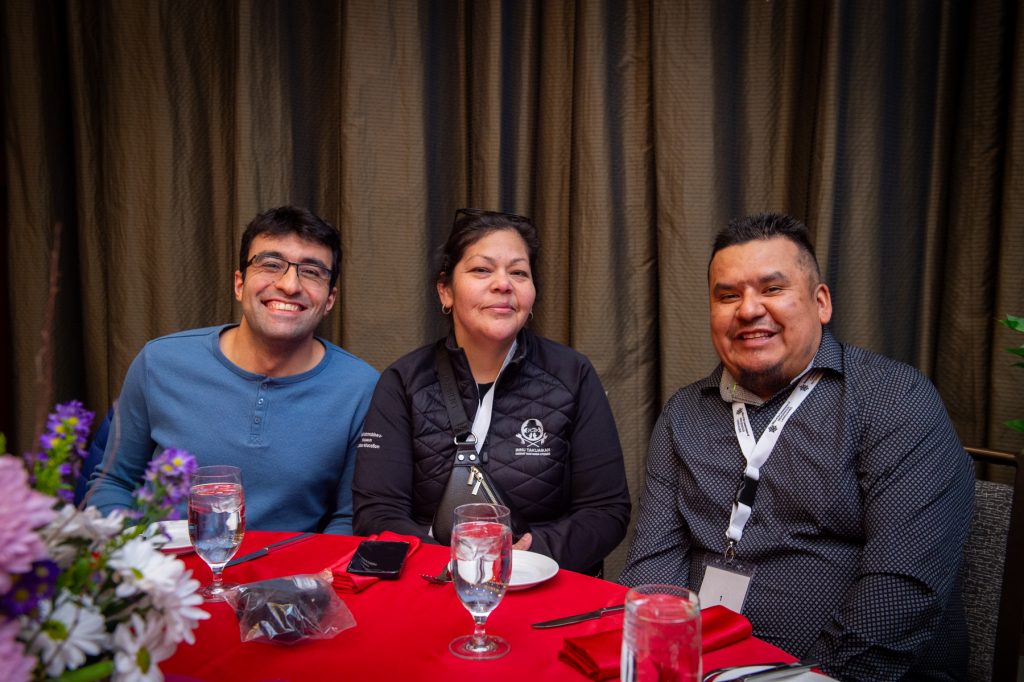
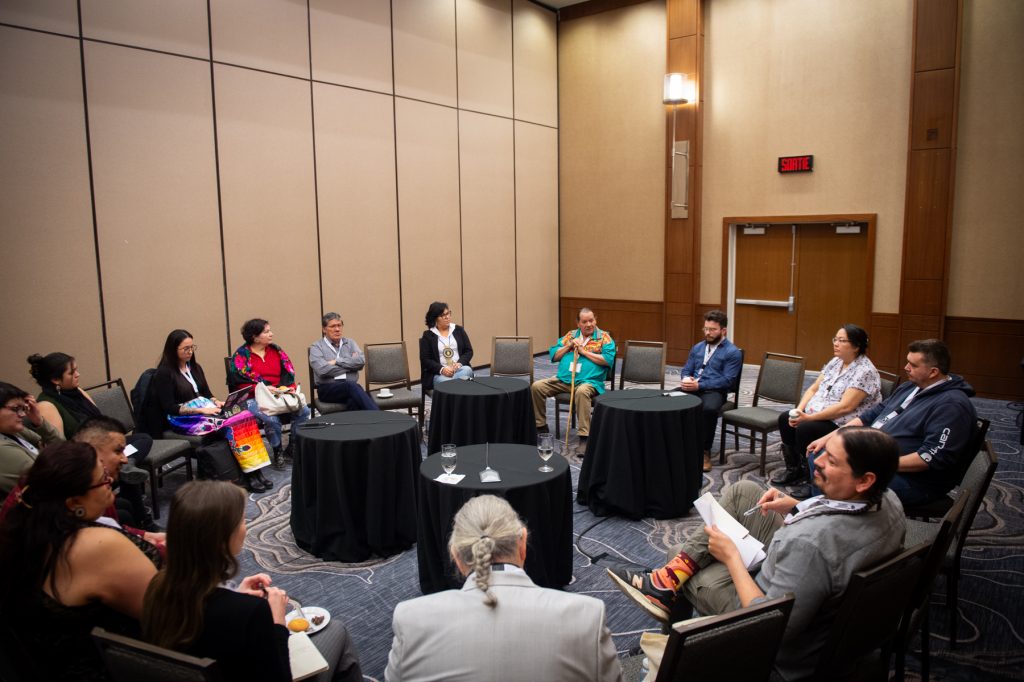
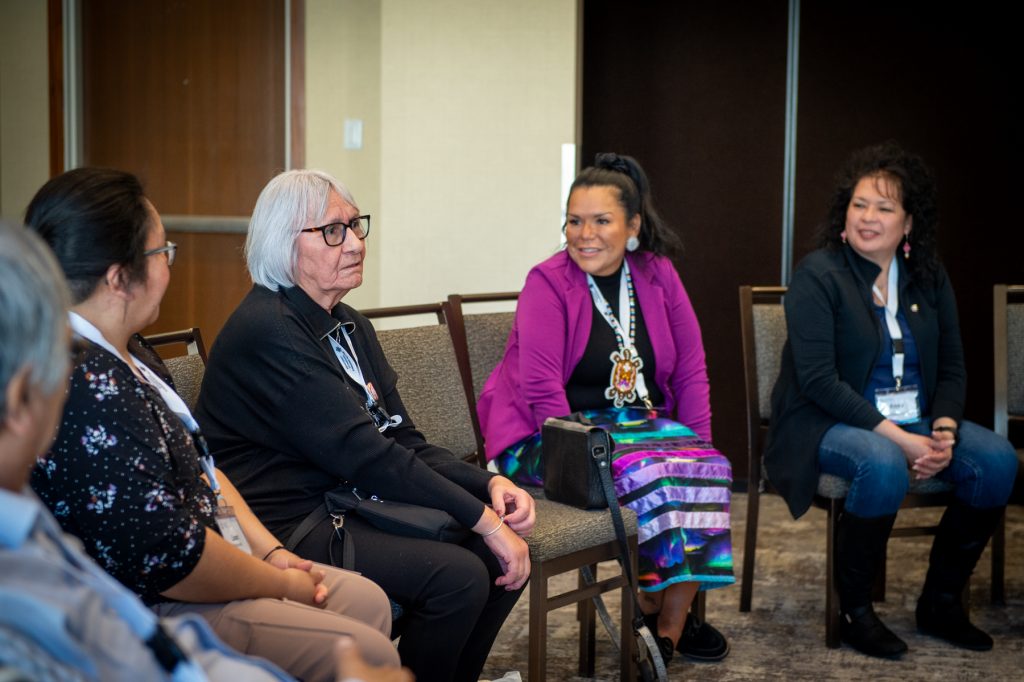
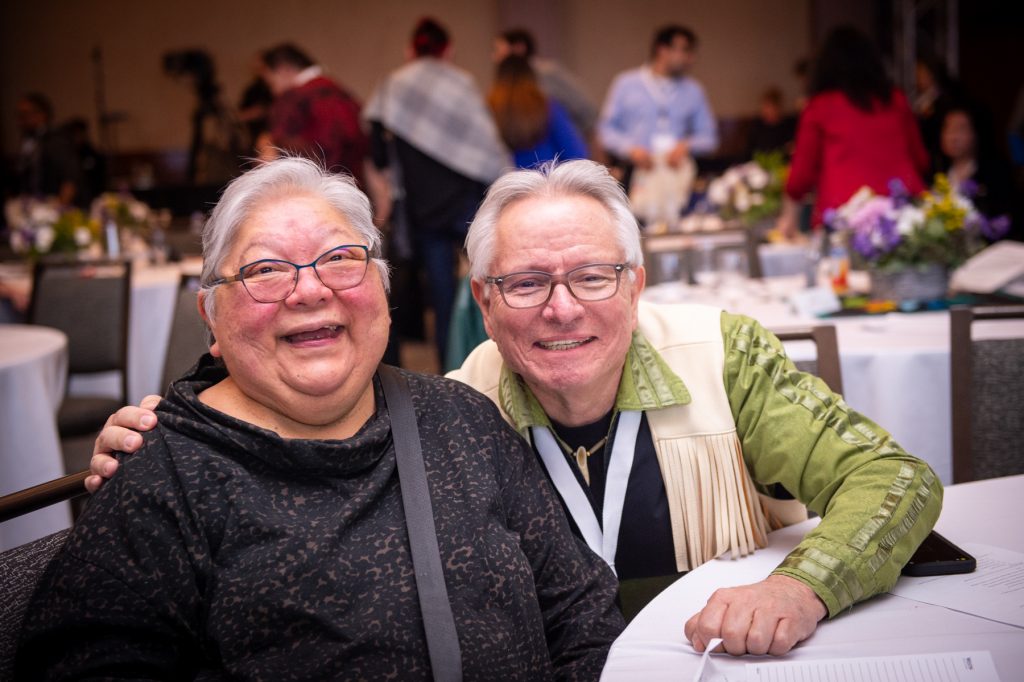
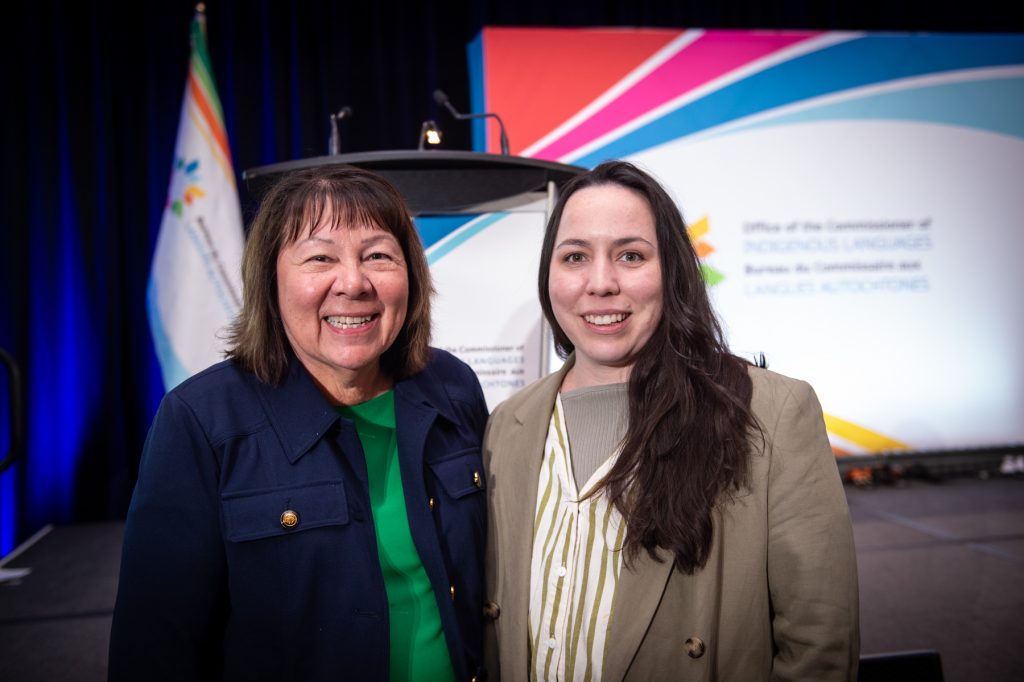
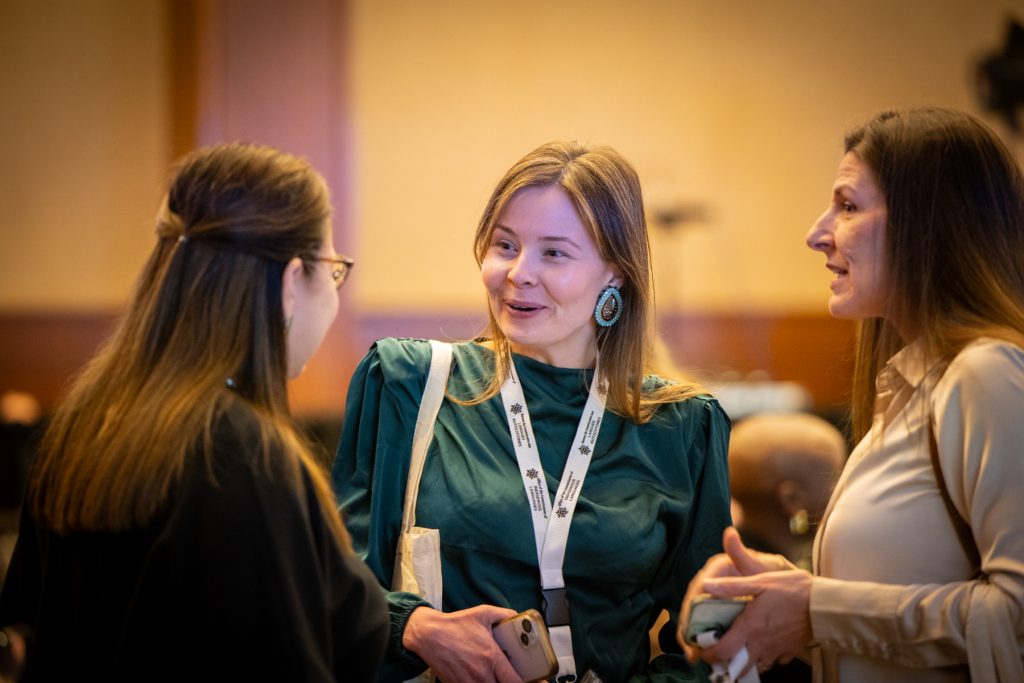
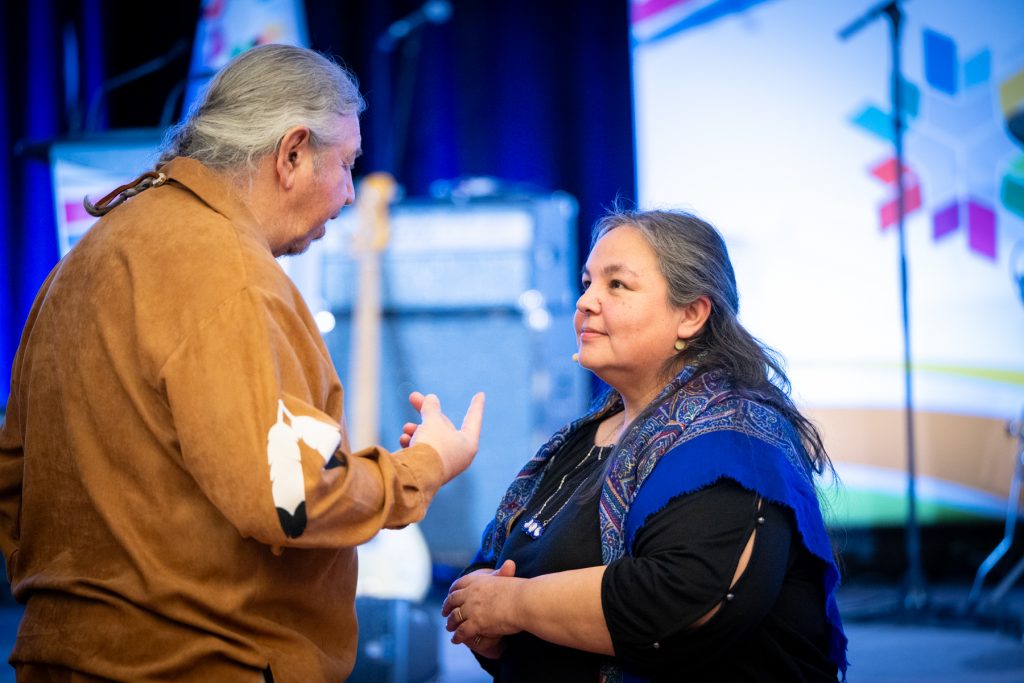
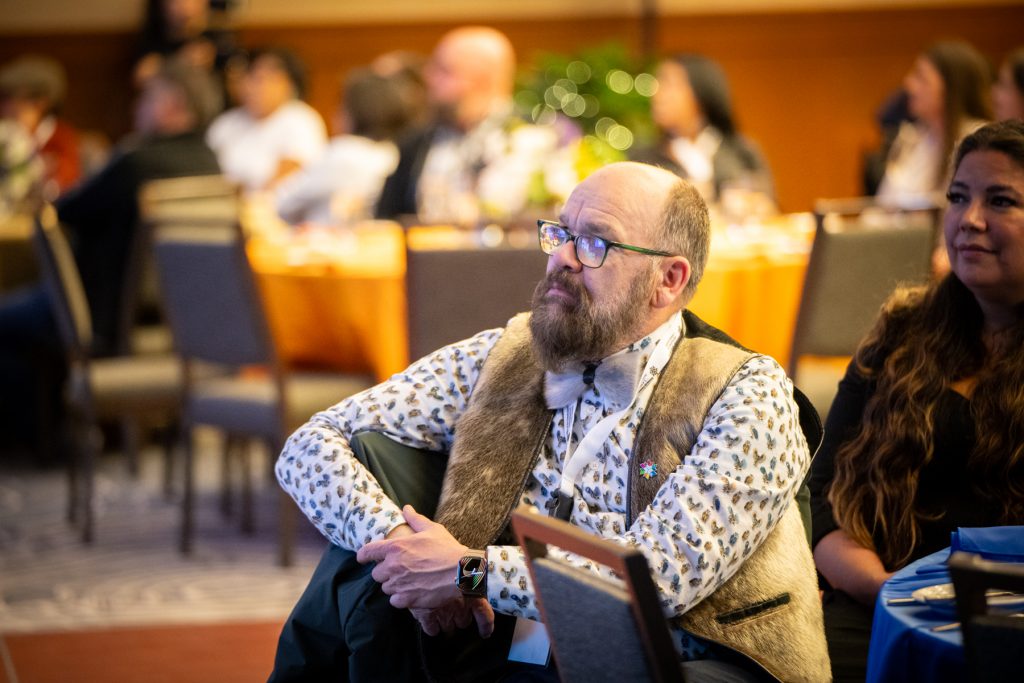
The Office of the Commissioner of Indigenous Languages (the Commission) hosted a two-day language gathering in Montreal, Quebec, which focused on bringing together First Nations voices and perspectives from the region. This event continued the work of previous language gatherings that have been held across the country to-date, by amplifying the voices and insights of regional language champions. The primary objective of the event was to centre and support the diverse experiences and knowledges of Elders, youth, language keepers, and experts who are reclaiming, revitalizing, maintaining, and strengthening their languages. The gathering in Montreal was also an opportunity for the Commission to better understand the unique linguistic complexities experienced by First Nations peoples in Quebec.
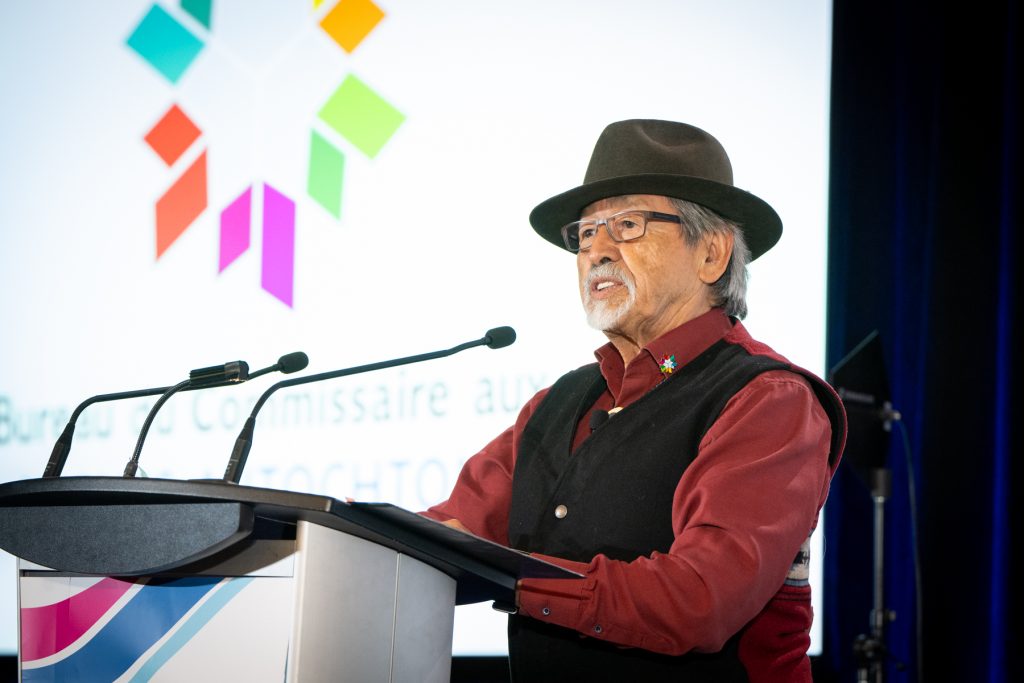
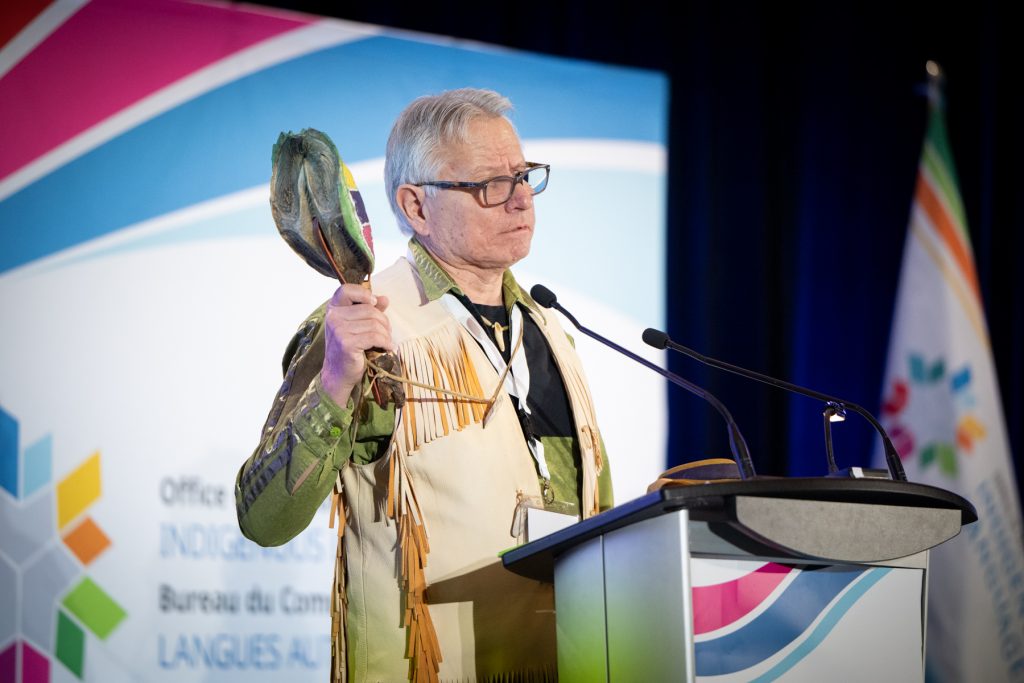
Manon Richard, the MC for the gathering, enthusiastically greeted all participants at the beginning of the gathering and welcomed Elder Kevin Deer to open the event. Elder Deer provided powerful words of wisdom and grounded the event to the importance of our creation stories, which are woven into our languages. Elder Deer shared that “each day is a gift, because it is through our languages and creation stories that we understand who we are, where we come from, and where we are going.”
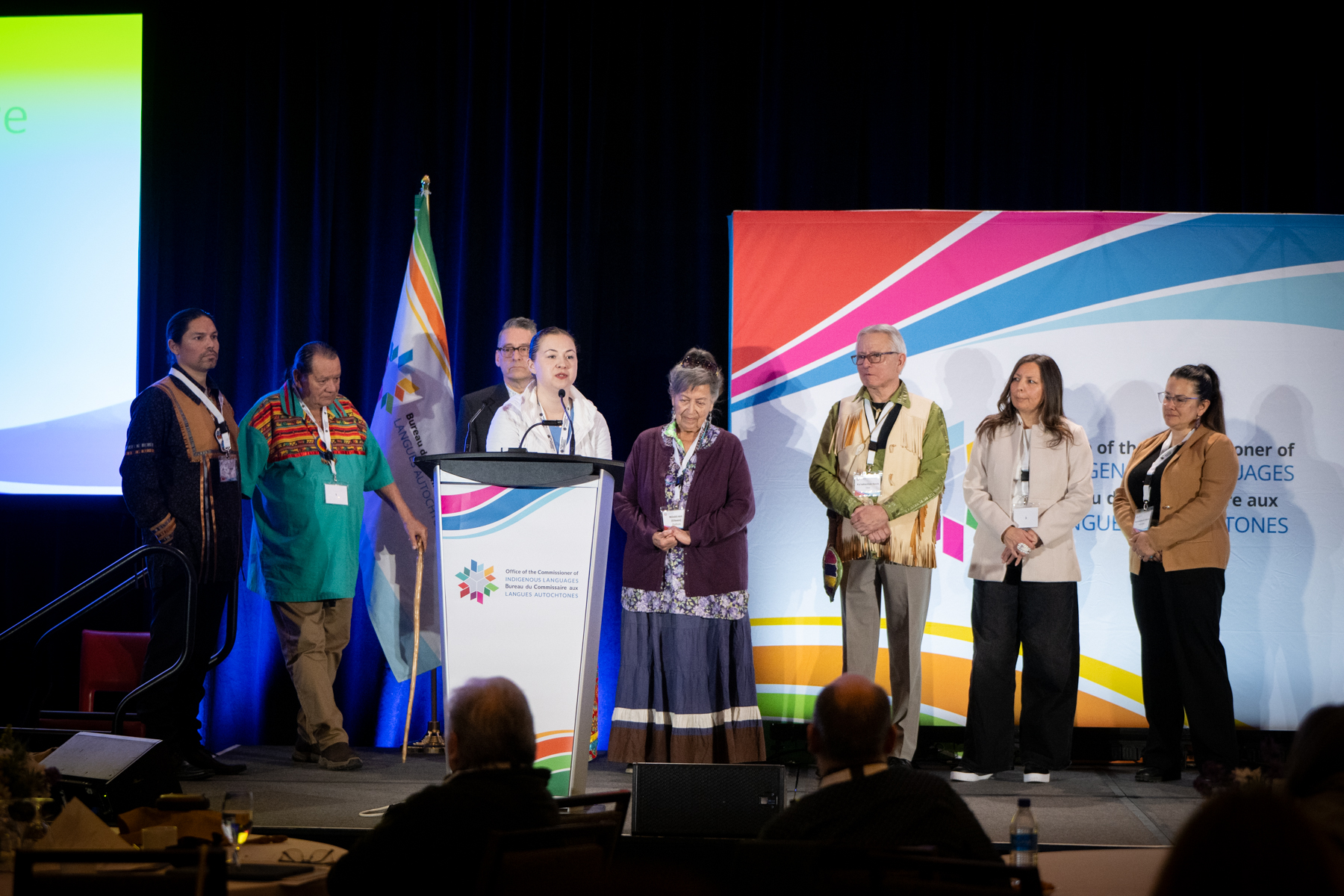
Chief David Diabo of the Mohawk Council of Kahnawà:ke and accompanying community language warriors shared inspiring experiences of perseverance and the importance of preserving our languages. The Elder present spoke about advocating for her children to take in part in Kanienʼkéha immersion, fighting against community fears that learning their language would set their children back. She proudly shared that her granddaughter, Sha’teiohserí:io Patton, is now a fluent Kanienʼkéha speaker, as well as a graduate of Stanford University and concluded by saying that “when your language and culture are gone, as a people, you will also be gone.” Chief Diabo also spoke about the importance of cross-country language gatherings, because it is through these events that Indigenous languages, cultures, and identities will continue to be prioritized in every facet of life.
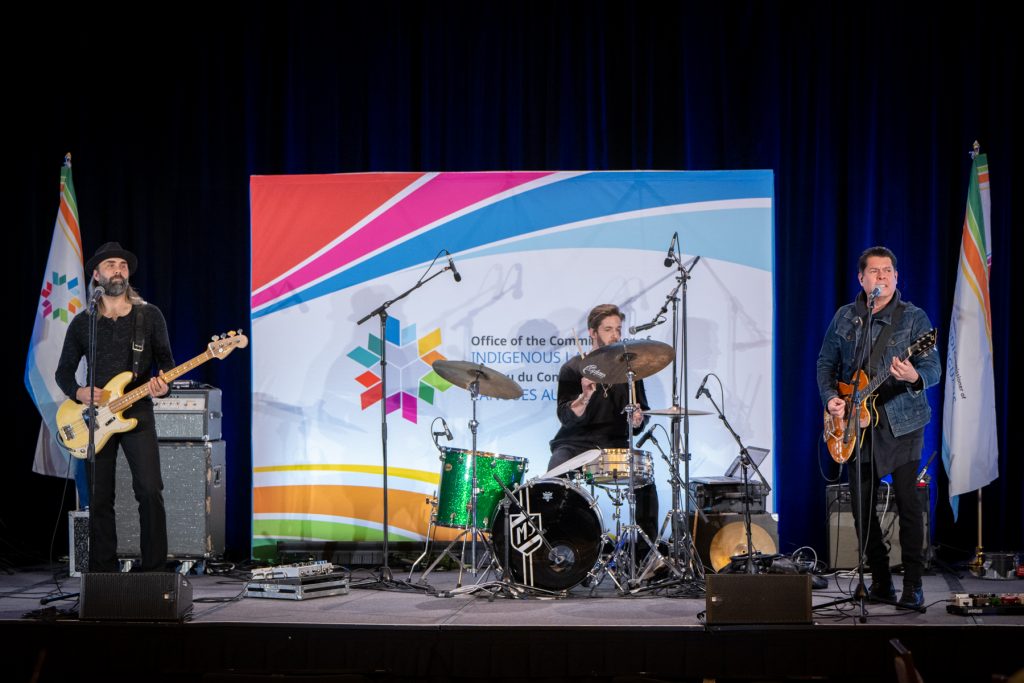
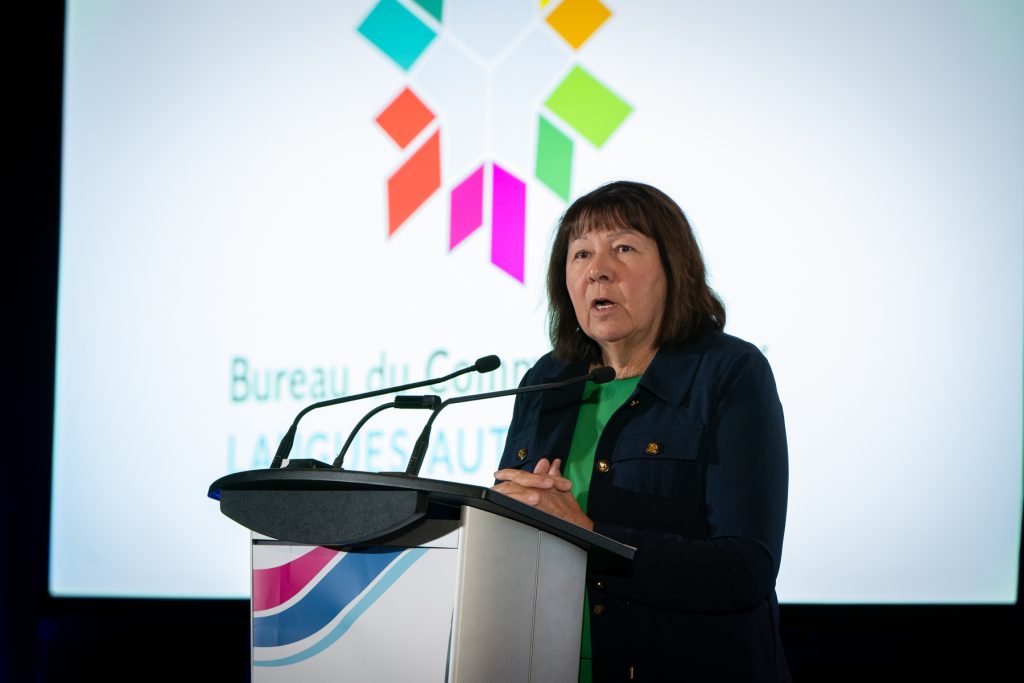
Commissioner Ignace thanked Elder Deer, Grand Chief Diabo and Kahnawà:ke community members for opening the evening in a good way, and provided an overview of the Commission’s origins, mandate, and activities. He reiterated that through the language gatherings and other engagements, “the Commission will continue to reach out, build relations, bring people together, and work with all partners to support Indigenous Peoples’ language revitalization efforts.” The evening concluded with an energetic performance by Derek Miller, whose music brought together participants in celebration.
The second day began with a screening of screening of the Commission’s Our Languages, Our Voices video, available in English and French, which centres the foundational importance of Indigenous languages.
Director Joan Greyeyes then welcomed participants to the language gathering and shared that this event was an opportunity for the Commission to hear directly from language champions about their revitalization needs, perspectives, and experiences. Over the course of the day, participants head from Dr. Daniel Brant about adequacy of funding as it relates to Indigenous languages. In his keynote, Dr. Brant stressed that there is a significant need for dedicated, long-term, and sustainable funding for Indigenous languages to address the rapid decline of first-language speakers.
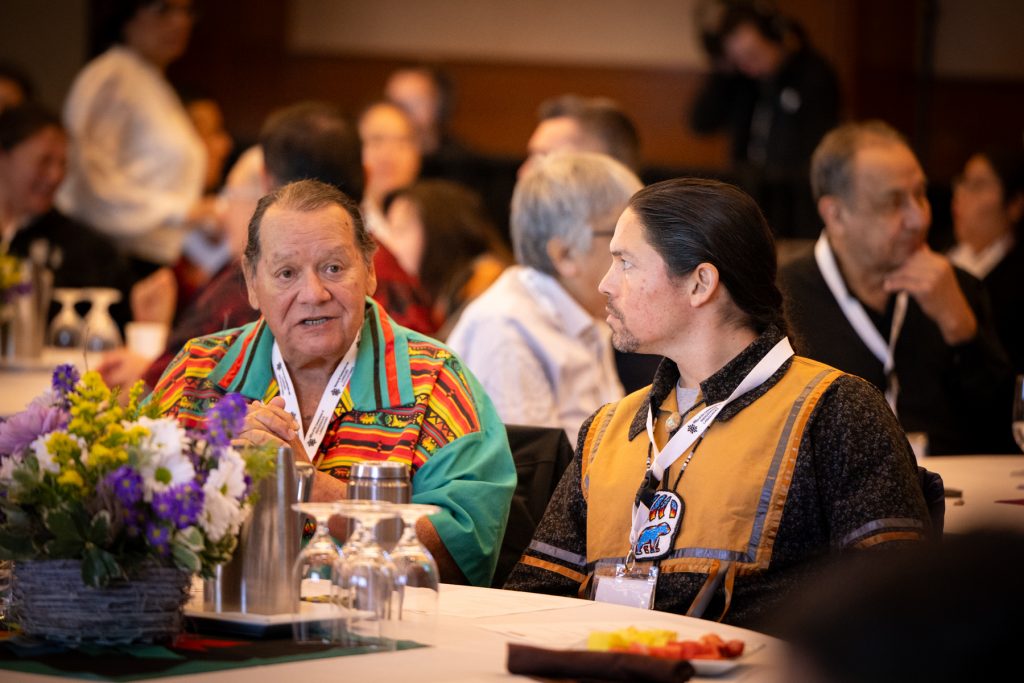
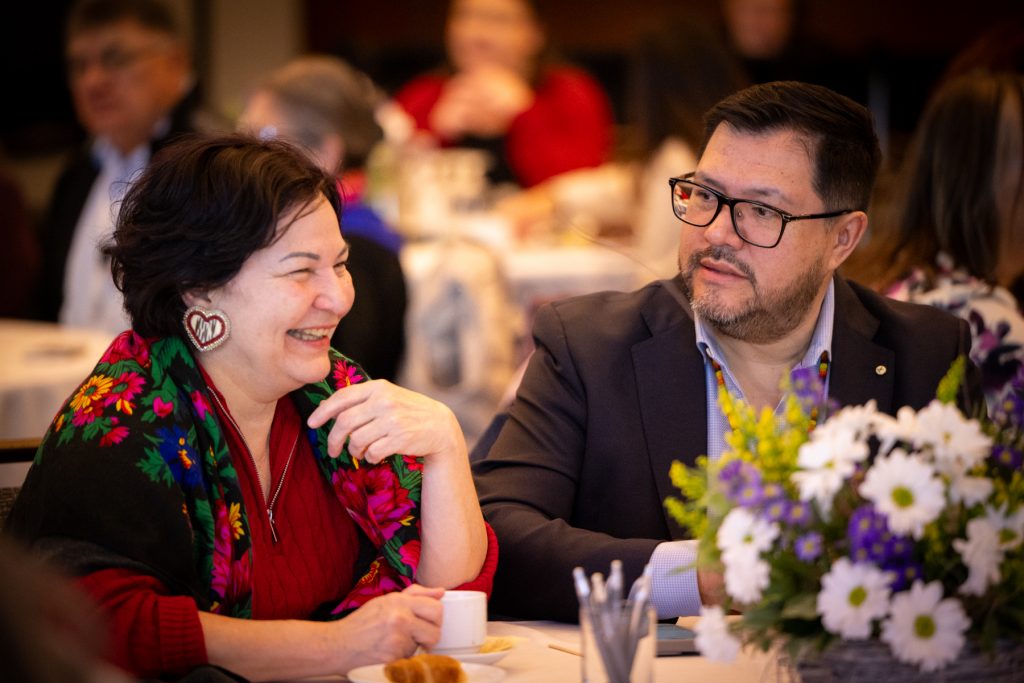
Participants then had an opportunity to share their insights and perspectives on language revitalization through facilitated discussions in the form of breakout groups. Themes emerging from the discussions included:
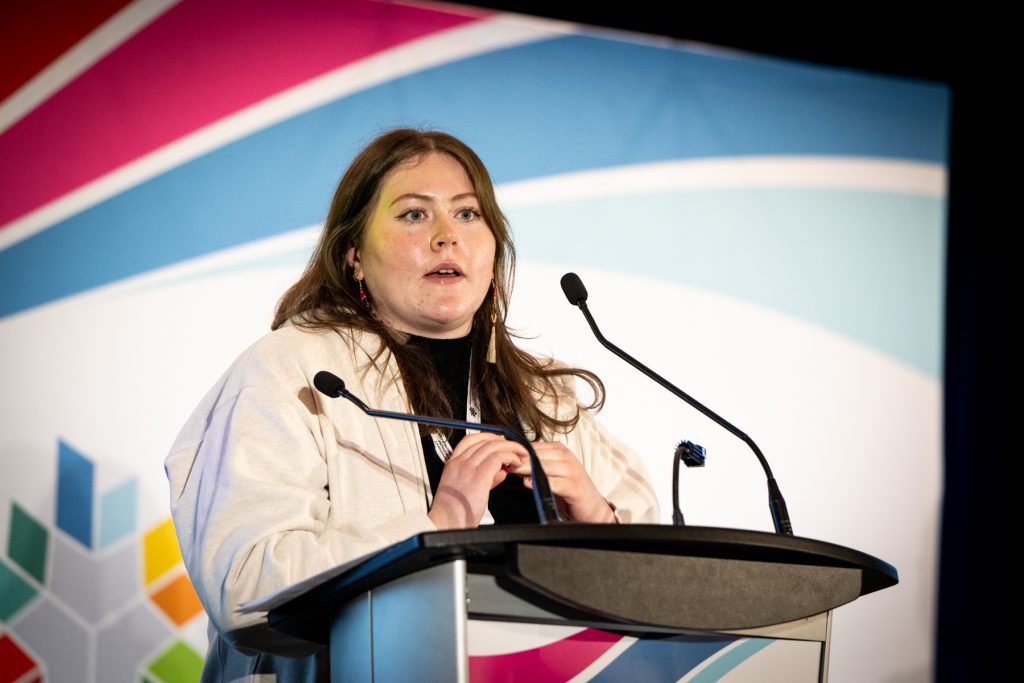
The gathering also put a spotlight on youth during a dedicated panel, through which participants heard from young people about their language revitalization needs. The youth emphasized the importance of intergenerational transmission of languages, because “our languages are living, so we also have to live through them.”
With the unique opportunity of the event being hosted in Montreal, a presentation from Sarah Cleary representing the Regional Committee on First Nations Languages highlighted particularities of the linguistic context in Quebec. In her presentation, Sarah shared the intricacies of the ten First Nations languages in the region. They spoke about the challenges in revitalizing them, including funding disparity and provincial pressures to prioritize French. Ultimately, “First Nations are best placed to ensure the protection and revitalization of their own languages.”
A presentation on Artificial Intelligence (AI) by Shingai Manjengwa explored the potential clash between traditional knowledges and new systematic learning models. In efforts to reconcile these different knowledge systems, Shingai spoke about the importance of Indigenous communities registering their work with official government entities to ensure that AI tools that are being developed related to Indigenous languages are approved and certified.
Dr. Lorna Willam’s keynote on strategic planning focused on methods to advance language revitalization work. In her keynote, she noted that current strategic work on languages is often influenced by Western lenses and is rooted in English. Therefore, all future strategic planning for Indigenous languages must prioritize Indigenous value systems and knowledges, and “must hold close our relationships to the land and our ancestors.”
Nearing the end of the gathering, Director Robert Watt addressed participants by speaking about the importance of working together, noting the high population of Inuit in urban centres, and advocated for youth to have opportunities to expand their worldviews.
The Montreal language gathering concluded with a rejuvenated sense of energy and unity among participants, emerging from the collective strategizing on how to advance their respective language revitalization efforts. In the words of Dr. Williams: “The world needs our knowledge in order to know how to live in peace and harmony; that is what is found in our stories, our languages, and in the way we live with one another.”
Read Full Summary Report: Language Gathering Report – Montreal